Empowering athletes through movement to give them the confidence to excel in sports and life
Train NowJulien Brown-Latham, a strength and conditioning specialist with over 12 years of experience, has worked with athletes from youth to professional levels.
He played Division I and II soccer while earning degrees in Rehabilitation Science and Kinesiology.
Julien is now the Director of Wellness and Sports Performance at Kings Cross Physiotherapy & Sports Injury Clinic and Head of Strength and Conditioning for Athlete's Institute Football Club in Mono, Ontario.
Read MoreStrength and conditioning programs designed to improve athletic performance by increasing strength, speed, agility, and endurance, helping you perform at your best when called upon.
By building a strong foundation, strength and conditioning can help reduce your risk of injuries, which allows you to train and compete more safely and consistently.
Through customized programming, you will develop not only strength but also mental toughness, confidence and resilience which will benefit you both on and off the field.
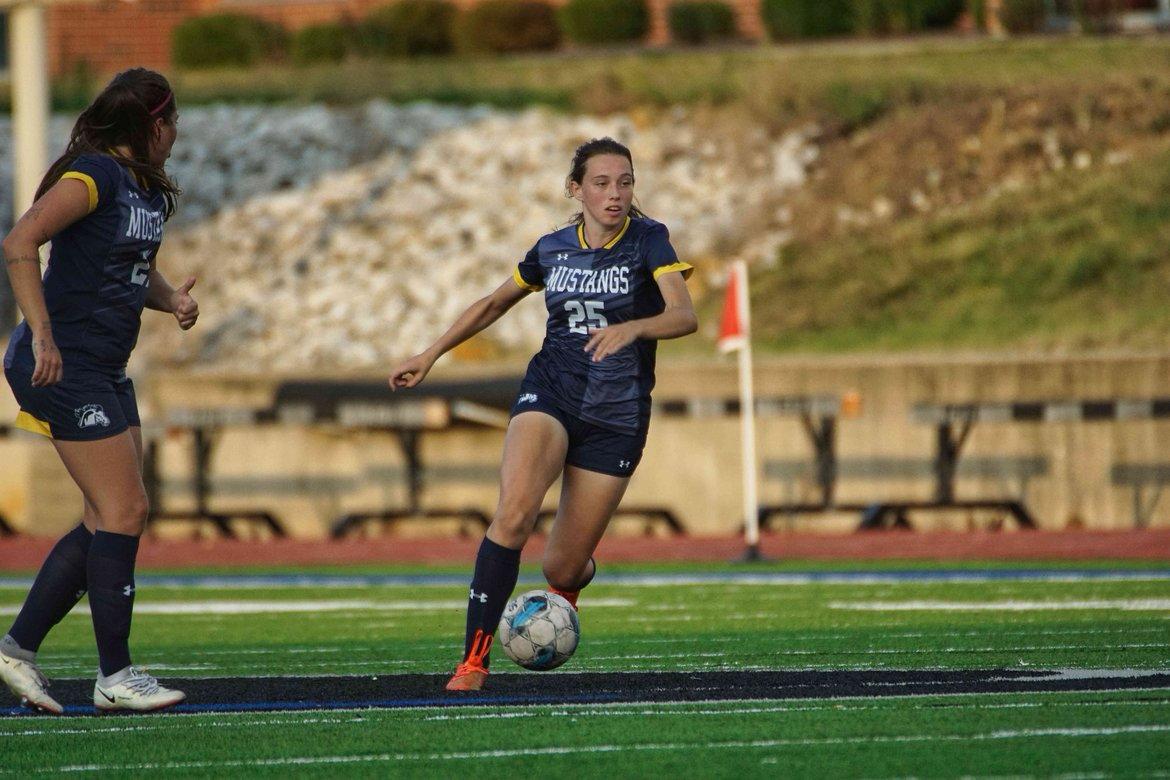
Mount Mercy University | NAIA
Each session was customized to how my body felt that day, and I always left feeling challenged in a way that I knew would benefit me.
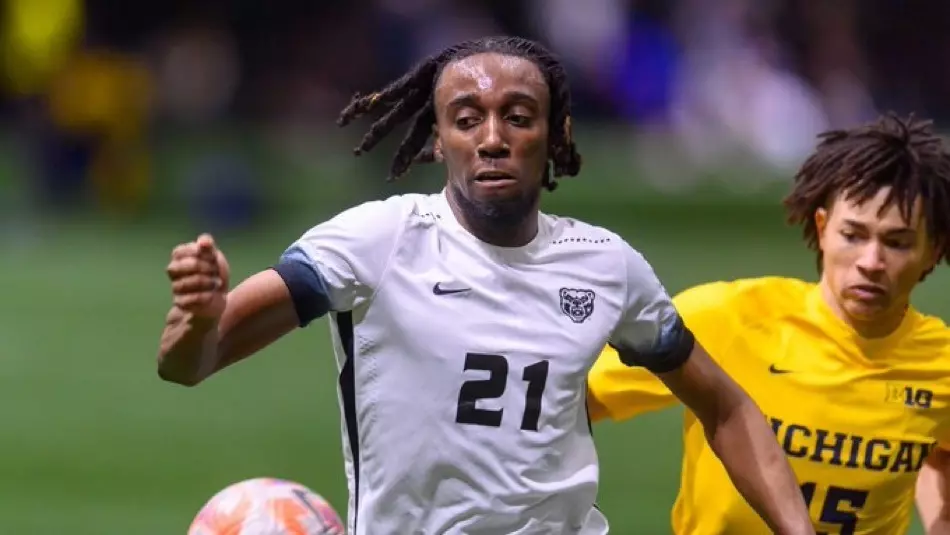
Oakland University | DI
Each session had a clear purpose and was structured to push me while still being enjoyable. The vibe was always positive, yet focused, which really pushed me to stay committed to my goals.
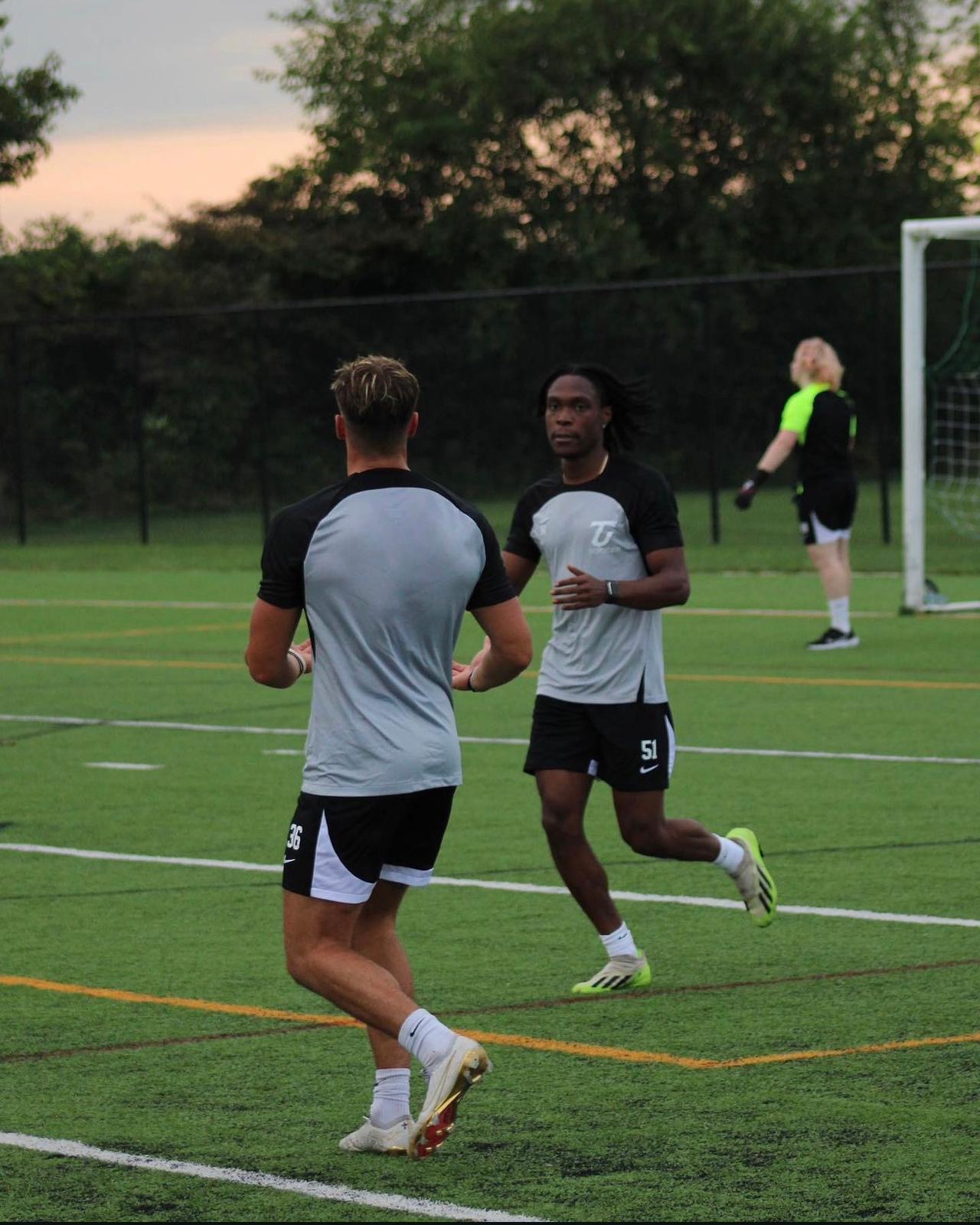
Tiffin University| DII
I would highly recommend your training because you created a hardworking environment where I felt I could push myself to reach my full potential.
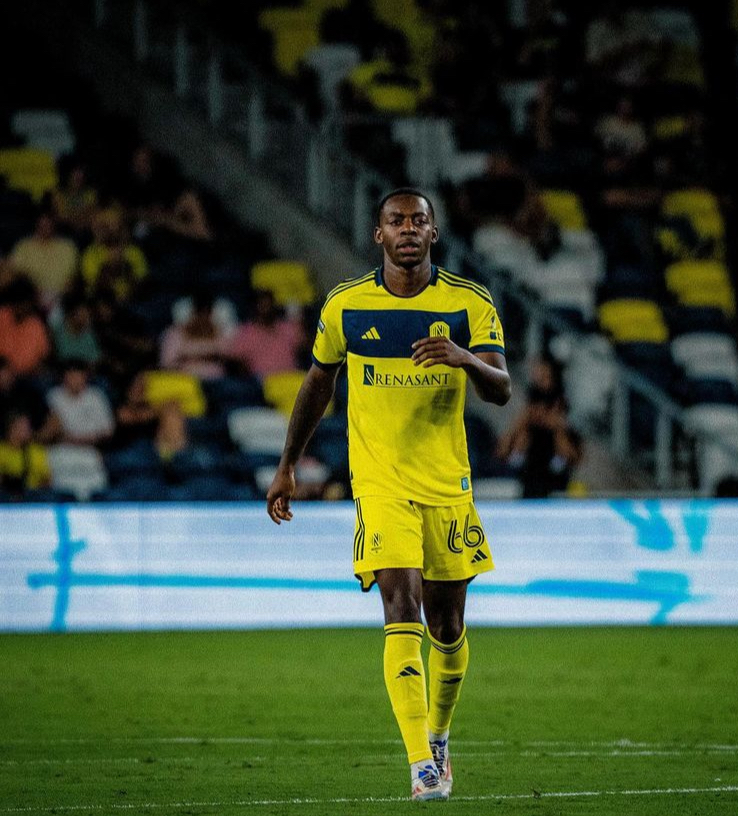
MLS | Nashville FC
I enjoyed just coming in and going to work if I'm being real. Especially because I felt you were truly invested in helping me reach my goals.
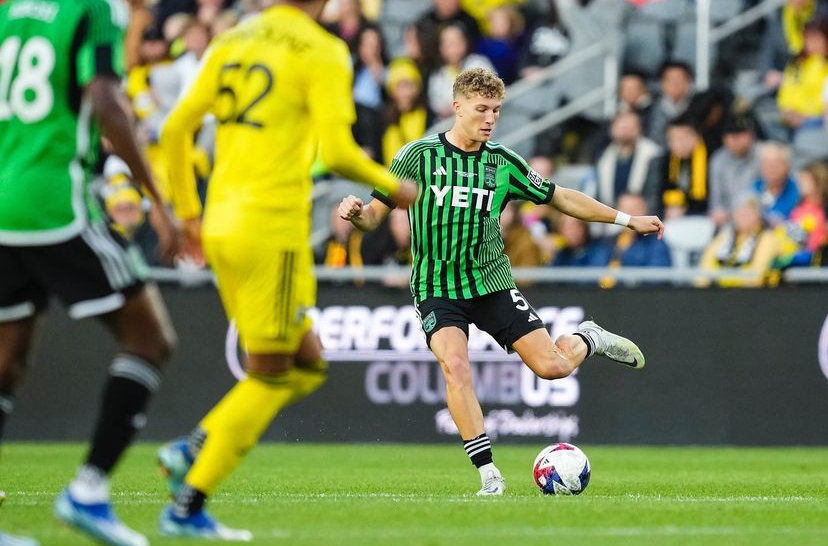
MLS Next Pro | Austin FC II
There are not many coaches out there who can relate to the athletes on the same level you can, given you were in our exact shoes once. That player-coach relationship allows the athletes to trust you.
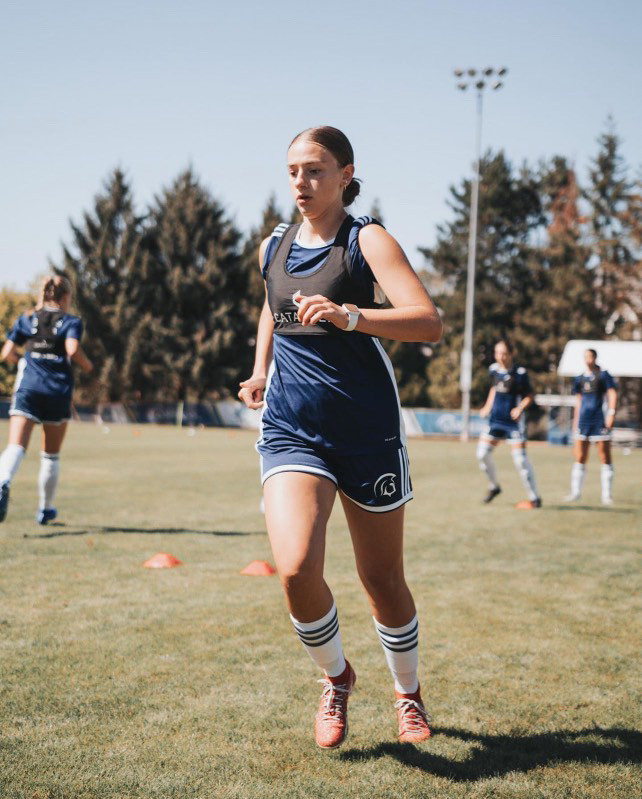
OUA | Trinity Western Womens Soccer
I highly recommend this type of training, not just for athletes in rehab, but for anyone looking to get stronger. Coach Jules played a crucial role in keeping me positive throughout my recovery, and he explained the purpose behind each exercise. By the end of my rehab program, I was proud of the progress I had made as well as the knowledge I gained about the importance of proper exercise technique.
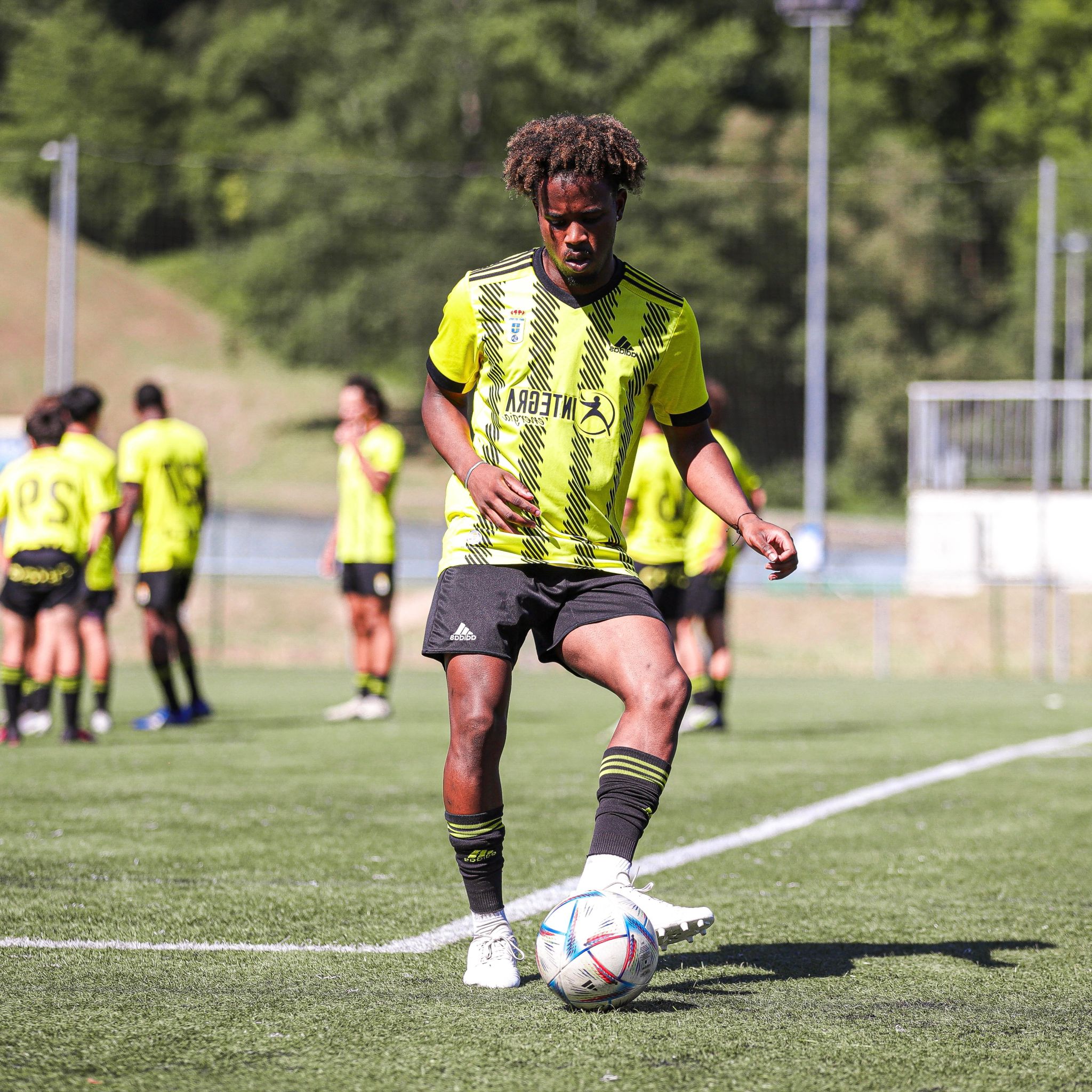
Spain| Real Oviedo
From the intensity of the training, to the correction of technical errors in my form and inefficiency in my movements, Jules produced results in me that were beyond my expectations. The sessions were not only challenging, but they were also extremely fu
Soccer performance training develops the physical qualities that support performance on the field, including speed, strength, power, agility, coordination and resilience.
While team practices focus primarily on technical and tactical development, performance training helps soccer players build the physical tools needed to run faster, change direction effectively, compete physically and tolerate the demands of the game.
There is not one specific age when every athlete should begin strength training. When properly coached and appropriately progressed, youth athletes can safely participate in strength training from as early as age 10.
For younger athletes, the focus is on developing movement competency, coordination, body control and confidence before gradually introducing greater resistance.
The goal is not to train a 12-year-old like a professional player. It is to build the physical foundation they need for the next stage of their development.
No. Properly designed strength training will help soccer players become stronger, more powerful and more physically capable.
The goal of strength training for soccer is not bodybuilding. Training should complement the demands of the sport and help athletes produce and tolerate higher forces.
Becoming stronger can support qualities such as acceleration, sprinting, jumping, change of direction and physical robustness when combined with appropriate soccer and speed training.
A complete speed-development program should include:
Speed should be trained consistently rather than something players only work on before tryouts or preseason.
For many youth and competitive soccer players, 1-3 strength-training sessions per week can be effective depending on their age, training history, competition schedule and goals.
More training is not automatically better.
The right amount of training should complement soccer practices and matches while still allowing the athlete to recover and perform.
Potentially.
Soccer practice is essential for developing technical ability, tactical understanding and decision-making. However, team practice may not provide enough dedicated exposure to strength, maximum-speed sprinting, power or progressive physical development.
Performance training is designed to complement soccer by developing physical qualities that receive less attention during regular team training.
Performance assessments help me understand an athlete's current physical abilities before developing their training program.
Depending on the athlete, assessments may include measures of:
This information is then used to identify strengths, potential limitations and where training may have the greatest impact.
VALD ForceDecks are force plates that allow us to measure how an athlete produces and absorbs force during movements such as jumping.
Rather than only looking at how high an athlete jumps, ForceDecks can provide additional information about force production, strategy, asymmetries and other characteristics of performance.
Testing data is combined with coaching observations and the athlete's training history to make more informed programming decisions.
No training program can guarantee that an athlete will not get injured.
However, a well-designed strength and conditioning program can help athletes develop the strength, capacity, movement skills and exposure to high-speed demands required by soccer.
The goal is to prepare the athlete's body for the demands they will experience during practices and matches rather than trying to eliminate injury risk entirely.
Physiotherapy and performance training can play different but complementary roles during an athlete's return from injury.
Physiotherapy typically focuses on rehabilitation, restoring function and addressing the injury itself.
Return-to-performance training helps bridge the gap between rehabilitation and the physical demands of sport by progressively reintroducing qualities such as strength, sprinting, jumping, cutting, decelerating and conditioning.
Being pain-free or cleared from rehabilitation does not always mean an athlete is immediately prepared for full-speed competition.
Yes. I provide soccer performance training in Brampton, Ontario for youth, competitive, collegiate and higher-level players.
Training targets areas such as:
Speed, Strength, Power, Agility, Athletic Development, Performance Testing, Return to Performance.
Programs are designed to complement each player's schedule and address their individual development needs.
Semi-private training allows a small group of athletes to train together while still following programming appropriate for their individual needs.
Athletes benefit from the energy and competitiveness of a group environment without everyone being required to perform the exact same workout.
This is especially valuable when athletes differ in age, training experience, physical strengths or development priorities.
No.
An athlete does not need to be a professional or college player to benefit from structured physical development.
Performance training can be appropriate for developing players who want to get faster, become stronger, prepare for a higher level of competition or build the physical foundation needed for long-term development.
The training should meet the athlete where they are, not where they are expected to be years from now.
Instead of giving every athlete the same workout, I consider their sport, age, training experience, competition schedule, assessment results and individual goals.
The goal is not to make workouts difficult. It is to understand what each athlete needs and why we are training it so their time in the gym supports performance outside of it.
I provide soccer strength, speed and performance training in Brampton, Ontario, serving athletes from Brampton, Mississauga and surrounding areas of the Greater Toronto Area.
I work with developing and competitive soccer players looking to improve their physical performance through structured, individualized training.
If you are unsure which training option is right for you or your child, contact me to book an assessment or discuss your goals.